 Chinese
  English
  Russian
  Spain
Spain 


Your Position:Home>News>Industry news>A Guide to Essential Safety Checks Before Restarting Idle Diesel Generator Sets
A Guide to Essential Safety Checks Before Restarting Idle Diesel Generator Sets
Whether serving as a backup or primary power source, a diesel generator set requires a comprehensive and meticulous safety inspection before being reactivated following a prolonged period of idleness. This ensures that the unit can operate safely, stably, and efficiently.
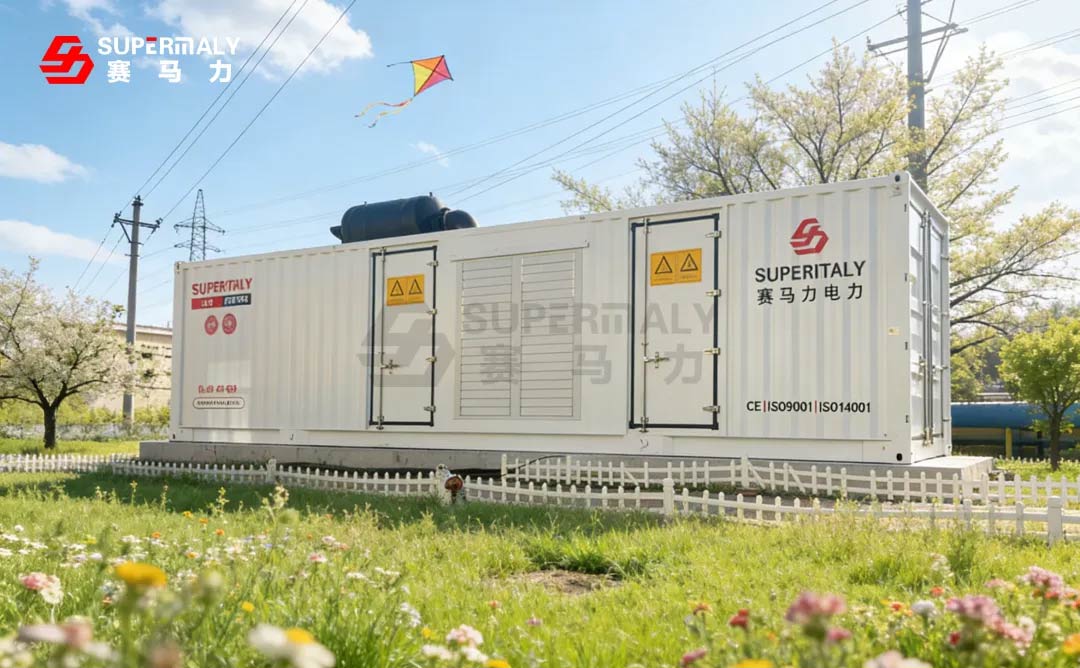
1. Fuel System Inspection
Check the fuel in the fuel tank for signs of deterioration. If the fuel has been stored for an extended period, issues such as sediment accumulation or water contamination may arise, which can disrupt the engine's normal combustion process. It is recommended to drain any deteriorated fuel, clean the tank, and then refill it with fresh fuel.
2. Lubrication System Inspection
Engine Oil Level and Quality:
Check the engine oil level to ensure it falls between the upper and lower marks on the dipstick, confirming that the oil supply is adequate.
Observe the color and clarity of the oil to check for signs of deterioration, contamination by impurities, or water ingress. Prolonged idleness can lead to oil oxidation, thinning, or contamination, rendering it incapable of providing effective lubrication. Depending on the actual condition of the oil, you should choose to either top it up or replace it entirely.
Oil Filter:
Inspect the oil filter for any signs of clogging or damage. Replace the filter if necessary to ensure effective filtration and prevent impurities from entering the engine's internal components, thereby avoiding premature wear.
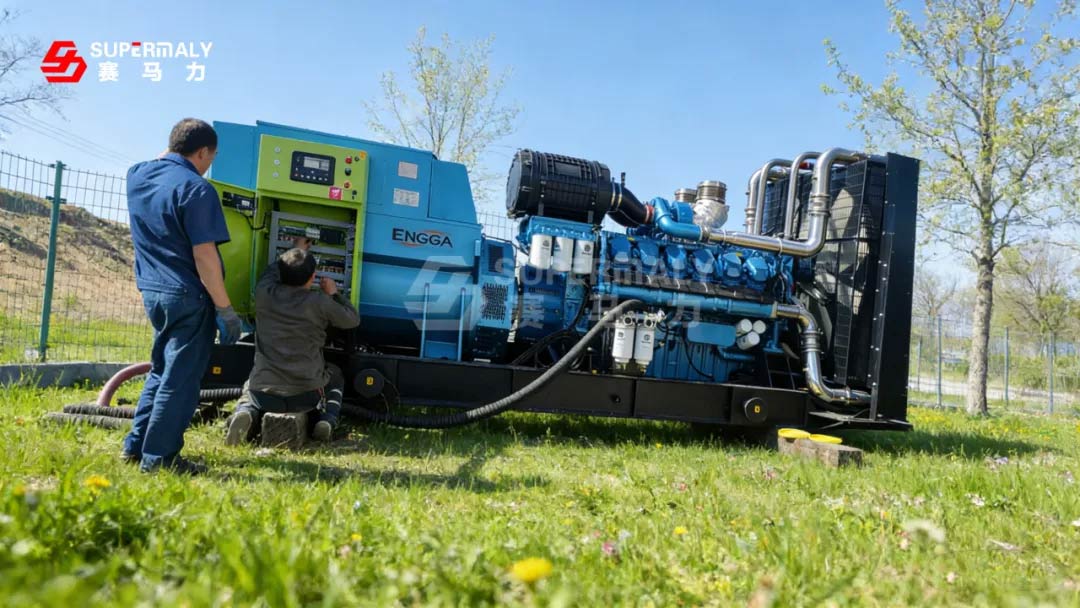
3. Cooling System Inspection
Check the coolant level in the radiator (water tank) to ensure it is sufficient. Observe the coolant for any signs of deterioration or turbidity. If the coolant level is low or the fluid has deteriorated, it must be topped up or replaced to ensure the engine receives adequate cooling during operation and to prevent overheating.
4. Electrical System Inspection
Check the battery charge level. If the battery has been left idle for a long time, it may suffer from power depletion, which can compromise starting performance. The battery should be recharged or replaced with a new one.
Verify that the battery terminals and connections are secure; check for any looseness or signs of oxidation. If oxidation is present, use sandpaper to clean the terminals to ensure a proper electrical connection.
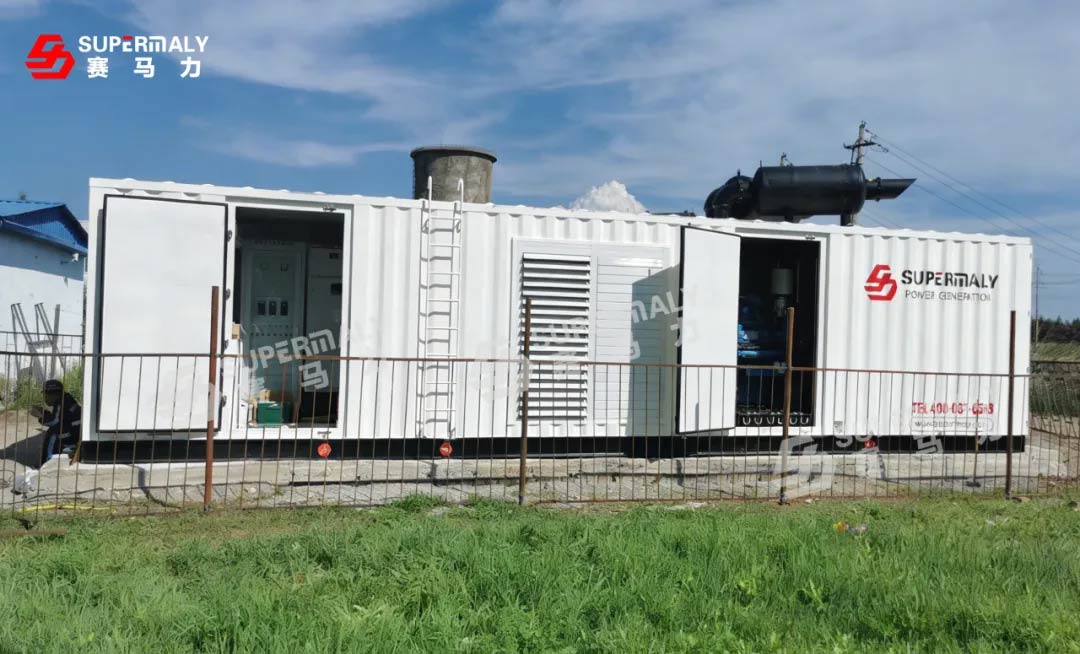
5. Pre-Startup Testing and Trial Run
Conduct a system test prior to starting the unit. This includes checking the gauges and indicator lights on the control panel, as well as testing the generator's insulation integrity, to ensure that all of the unit's systems are functioning correctly.
After starting the generator set, perform a no-load trial run. Closely monitor the unit's operational status, checking for any abnormal noises, vibrations, or unusual odors. After the no-load trial run has been successfully completed, conduct load testing by gradually increasing the load to the rated power, ensuring that the generator set can properly output its rated power and operate stably.
- Strong | The 125th Canton Fair ended successfully, and high-end customers chose it here!
- New arrivals, full of rewards! Supermaly cippe2019 oil show ended successfully!
- Supermaly | Helping the construction of the “Belt and Road” and opening up a new pattern of “going out”
- The difference between gas generator sets and diesel generator sets
- Small class of knowledge | The greater the load on the diesel generator set, the higher the fuel consumption?
- Supermaly reminds you to pay attention to the following items when using diesel generator sets in summer
- Why the generator set pull the cylinder and the characteristics of the cylinder after the pull
- Reasons for Black Smoke in Diesel Generating Set
- How to avoid some of the risks during the installation of diesel generators
- Maintenance and service about diesel generators and gas generators
- The four roles of diesel generator sets
- Matters choose diesel generator sets to note